
Acidity Test of Transformer Insulating Oil
🔎 Quick Summary – Key Learnings from the Acidity Test of Transformer Oil Purpose: Measures the amount of potassium hydroxide (KOH) needed to neutralize acids
Transformer is the static piece of equipment used for step up and step down the voltage for economic transmission and utilization of electrical power.
In this section we are adding all the technical articles related to transformer like step up transformer, step down transformer, ideal transformer, efficiency and losses, regulation, percentage impedance.
We will also discuss about parallel operation of transformers, copper loss and no load losses and its calculation, all types of routine and type tests, converter duty transformer,dry type transformer, k factor of transformer, maintenance of oil filled and dry type transformer, transformer protection equipment like buccoltz relay, PRD and oil and winding temperature measurement etc.
We will also discuss about the open and short circuit test on transformer.
🔎 Quick Summary – Key Learnings from the Acidity Test of Transformer Oil Purpose: Measures the amount of potassium hydroxide (KOH) needed to neutralize acids
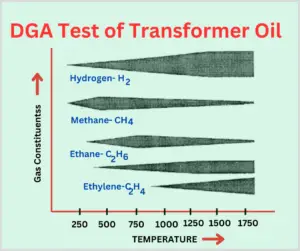
💡 Key learnings: DGA Definition: Dissolved gas analysis of transformer oil is a method used to examine gases formed due to thermal and electrical stresses
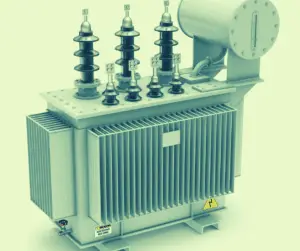
A transformer is an essential electrical device that changes the voltage level of alternating current (AC) without altering its frequency. The working principle of a
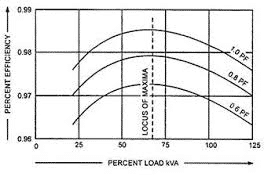
The transformer is a vital link between the load and the supply. The efficiency of the transformer is very important in view of energy saving.
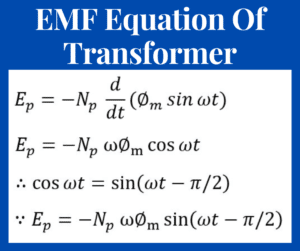
Understanding the EMF equation of transformer is essential to grasp how transformers work. When a sinusoidal AC voltage is applied to the primary coil, it
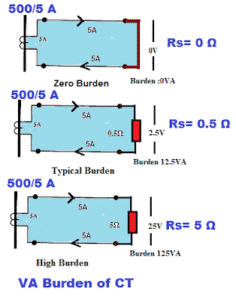
The burden of the current transformer is expressed in VA. The total VA burden should be considered when CT is used for measuring or protection
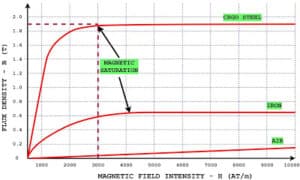
Transformer Over Fluxing Protection protects the core from overheating caused by over-fluxing. The voltage and frequency ratio (V/f) is responsible for over-fluxing in the transformer.
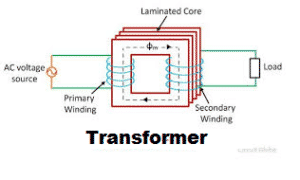
Overfluxing in transformer is a critical condition that occurs when the voltage-to-frequency ratio (V/f) exceeds its designed limit, leading to an abnormal rise in core

💡 Key learnings: BDV Full Form: BDV stands for Breakdown Voltage, the maximum voltage transformer oil can withstand without breakdown. Knowing the BDV test full
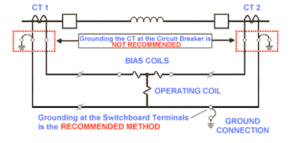
Current transformer (CT) secondary grounding is essential for safety, relay accuracy, and avoiding equipment damage. This article explains why CT secondary is grounded, how CT