Skip to content
Electrical Volt

Electrical Volt

  • Home
  • Q & A
    • Interview
      • Electrical
        • Induction Motor
        • DC Motor
        • DC Generator
        • Synchronous Machine
        • Transformer
      • Instrumentation
      • Electronics
    • MCQ
  • Measure
    • Basics
    • Control Valve
    • Temperature
    • Analyzers
    • Calibration
    • Flow
    • Level
    • Pressure
    • Solenoid Valves
    • Switches
    • Conductivity
    • Humidity
  • Electrical
    • Basics
      • Basic Electrical
      • Utilities
      • Circuit Theory
      • Electrical Laws
      • Electrical Materials
      • Batteries
      • Measurement
      • Maintenance Engg.
    • Machines
      • DC Motor
      • DC Generator
      • Induction Motor
      • Transformer
      • Electrical Drives
    • Power System
      • Generation
      • Switchgear
      • Distribution
      • Transmission
      • Protection
      • Electrical Safety
      • Power Quality
      • cable
  • Automation
    • Communication
    • Control System
    • Fire and Gas System
    • PLC
    • Safety Instrumented System (SIS)
  • Electronics
    • Analog Electronics
    • Communication
    • Digital Electronics
    • Electronic Devices
    • Medical Electronics
    • Power Electronics
    • VLSI
    • Computer

Machines

An electrical machine  converts mechanical energy into electrical energy or vice versa.  The transformer is also an electrical machine which transform the voltage without changing the frequency. We will discuss about the;

  1. DC Motor
  2. DC generator
  3. Induction Motor
  4. Transformer
  5. Electrical drives
  6. Alternator or synchronous generator

Over Fluxing in Transformer: Causes, Effects, and Permissible Flux Limits

Overfluxing in transformer is a critical condition that occurs when the voltage-to-frequency ratio (V/f) exceeds its designed limit, leading to an abnormal rise in core
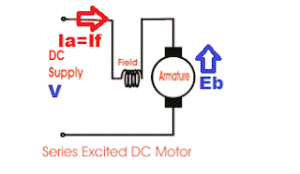
Why DC Series Motor should not be Started at No Load

The DC series motor attains dangerously high speed when we run it on no load. The main reason for overspeeding is that at no load,
why star delta starter is used?

Why is Star Delta Starter Preferred with an Induction Motor?

Why star delta starter is preferred with induction motor can be understood from the following explanation. In star delta starting, the phase voltage is 58%
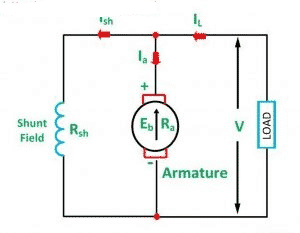
DC Shunt Motor : Construction, Speed Control & Characteristics

A DC shunt motor is known for its nearly constant speed operation, making it ideal for applications like lathes, fans, and conveyors. In this post,
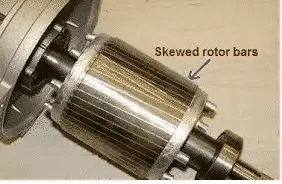
Why Are Rotor Bars Skewed in An Induction Motor?

What is Skewing of Rotor Slots? As shown in the above picture, the rotor bars of an induction motor are not parallel with the shaft,
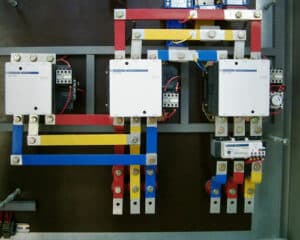
Star Delta Starter | Working Principle, Power and Control Circuit Diagram

A star delta starter is a widely used method for reducing the inrush current when starting a three-phase induction motor. In this article, we’ll explore
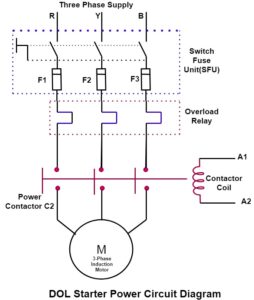
dol starter power circuit diagram

Direct Online Starter (DOL Motor Starter): Circuit Diagram and Working Principle

Direct online starter is a method of starting an induction motor. The stator of the motor receives the full supply voltage in the DOL starter.

Why DC Series Motor Is Ideal for Driving Heavy Loads

A DC series motor is widely used for driving heavy loads due to its unique ability to produce very high starting torque. This article explains

transformer oil bdv testing

Transformer Oil BDV Test (Breakdown Voltage Test) – Procedure, Minimum Values & Standards

💡 Key learnings: BDV Full Form: BDV stands for Breakdown Voltage, the maximum voltage transformer oil can withstand without breakdown. Knowing the BDV test full
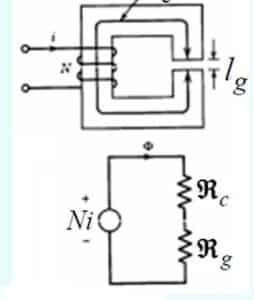
electrical and magnetic circuit analogy

Air Gap in Induction Motors: Effects on Efficiency, Power Factor, and Noise

The air gap in an induction motor—the small physical distance between the stator and the rotor—has a major impact on the machine’s performance. Although it

Older posts
Newer posts
← Previous Page1 … Page25 Page26 Page27 Page28 Next →

RECENT POSTS

  • Dielectric Material in Capacitors: Definition, Working Principle, Types, and Importance
  • Why HT Motor Winding Insulation Fails: 7 Causes That Lead to Costly Plant Shutdowns
  • Op Amp Specifications: Important Parameters Explained
  • Ideal Op Amp or  Ideal opertaional amplifier: Definition, Characteristics, Properties, and Working Principle
  • Diode Turn-On Voltage: Working Principle, Values, and Applications
Copyright © 2026 Electrical Volt Contact Us ▪ About Us ▪ Privacy-Policy ▪ Disclaimer