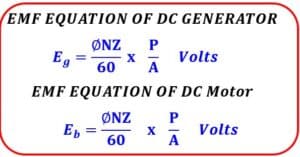
Derivation of EMF Equation of a DC Generator
EMF Equation of DC Generator and DC Motor When we apply DC voltage to an armature of a DC motor, a back emf or counter
An electrical machine converts mechanical energy into electrical energy or vice versa. The transformer is also an electrical machine which transform the voltage without changing the frequency. We will discuss about the;
EMF Equation of DC Generator and DC Motor When we apply DC voltage to an armature of a DC motor, a back emf or counter
The speed of the DC motor decrease with an increase of load on the motor. This is not desirable. Therefore, there must be a lesser
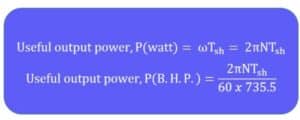
The actual torque available at the motor shaft for driving the mechanical equipment is known as shaft torque(Tsh). In fact, the same electromagnetic or gross
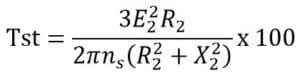
A.C. induction motor starting torque is very low as compared to DC motor starting torque. Also, during acceleration, the induction motor produces torque pulsation. As
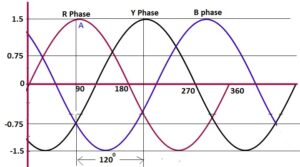
3 Phase induction motor is a balanced three-phase load. Therefore, the induction motor draws a balanced current if the supply voltage and the impedance of
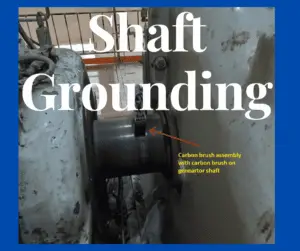
Shaft grounding devices minimize the shaft voltage and prevent bearings damage caused by the circulating current. There are numerous reasons for developing shaft voltage in
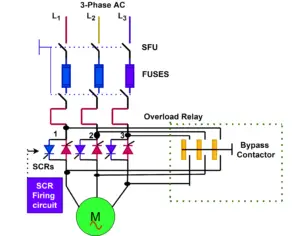
The main difference between VFD and Soft Starter is that a VFD can increase or decrease the speed of the motor, while a soft starter only controls the smooth start and stop
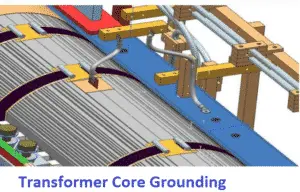
Transformer is a static piece of equipment and it has primary and secondary winding. The low voltage winding has few turns of wire wound around
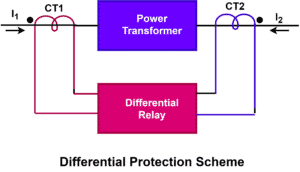
What is Differential Protection? Differential protection is used for detecting the fault in a particular zone. Therefore, we call it also unit or zone protection.
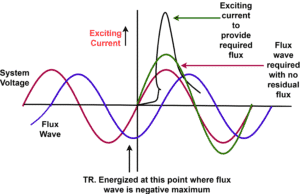
What is Exciting current? The exciting current in the transformer produces the magnetic flux in the core. When energizing transformer at no load, transformer draws