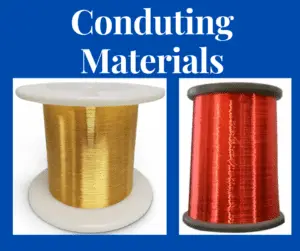
Classification of Electrical Conducting Materials
Conducting materials are the materials that are used for the conduction or passage of electrical current from one point to the other in order to
Conducting materials are the materials that are used for the conduction or passage of electrical current from one point to the other in order to
💡 Key learnings: Definition of Engineering Materials: Engineering materials are substances used to construct machines and structures, classified into metals, non-metals, and metalloids. Classification of
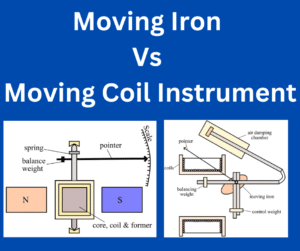
This article describes the major differences between moving iron and moving coil instruments. For the purpose of determining the electrical parameters of electronic circuits, numerous
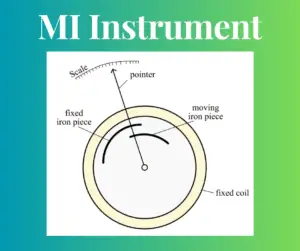
Moving iron or MI instrument has a moving iron that measures the current and voltage. A wide range of measuring instruments are available these days
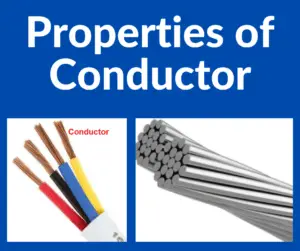
This article describes the properties of electrical conductor, such as conductivity, resistivity, thermal conductivity, malleability, ductility, and reflectivity. What is an Electrical Conductor? An electrical
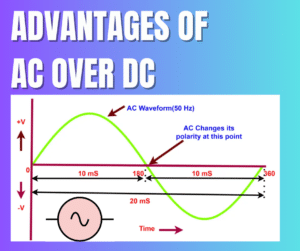
This article describes the advantages of AC over DC. The alternating current is known as AC and the direct current is known as DC. Alternating
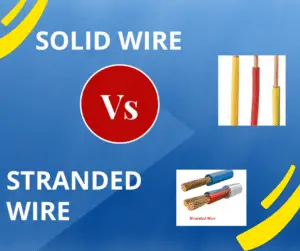
The two types of wires- solid wire and stranded wire are widely used in electrical systems. Wires are electrical conductors that carry the electric current
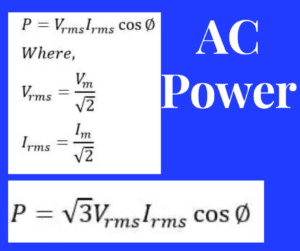
There are two types of voltage sources used in an electric circuit viz. AC source and DC source and electric power can be classified into
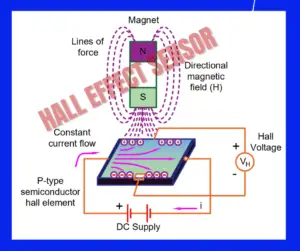
This article explains the Hall Effect sensor working principle and its important applications in modern electronics. The Hall Effect, discovered by Edwin H. Hall in
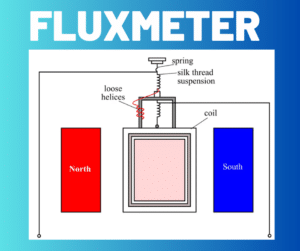
In this article, we will discuss the definition, construction, advantages and disadvantages, and applications of a fluxmeter. Magnetic flux is an important electromagnetic property, which